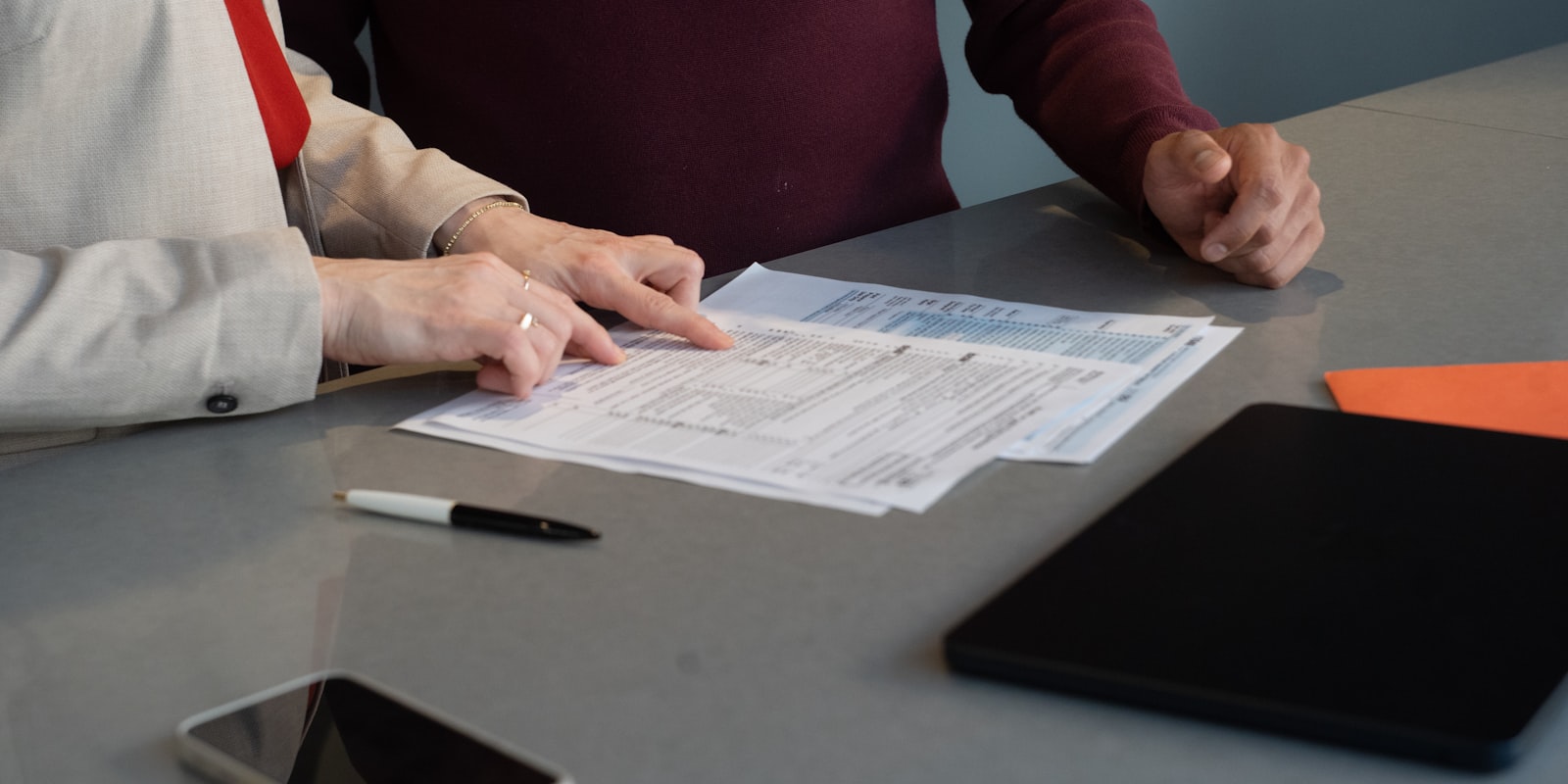
A contract template saves you time and nerves. It offers a proven structure, helps you avoid missing anything essential, and gives the document a professional appearance. However, it is important to understand what a template can and cannot do, because blindly filling in someone else's draft can cause more harm than having no contract at all.
What exactly is pravni-vzor.cz: and what it isn't
A template is a general model designed to fit the widest possible range of similar situations. The authors had to make compromises: the document must be universal enough to apply to many different cases, yet specific enough to be meaningful at all. The result is text that covers common, typical scenarios: not your specific business, property or job role.
The template is therefore not a finished contract. It is a starting point upon which you build. The more your situation differs from the average case, the more adjustments the template requires, and the greater the risk that without them something essential will be missing.
The quality of freely available templates on the internet also varies considerably. Some are outdated, others were created for a different type of relationship than the one you are dealing with, and some contain provisions that contradict each other. It is worth using a template from a verified source, ideally one that is regularly updated and supplemented with clear commentary, rather than just the first link from a search engine.
When a sample is sufficient
For simple, common situations with low value and clear-cut parties, the template is usually sufficient. Typically, this concerns standard employment relationship for a standard position, flat tenancy between two private individuals or the sale of a used item. If both parties understand the document and it is not complicated by foreign elements, co-ownership or atypical conditions, a well-adapted template from pravni-vzor.cz is entirely sufficient.
When a template is not enough
Once a higher value comes into play, propertydisputes between the parties, non-standard conditions or long-term commitments, a template alone is insufficient. This also applies when the other party proposes their own contract version or when dealing with a company whose background you do not know. In such situations, it pays to have the document at least checked, for more complex cases, consult a lawyer who can identify risks that a layperson would not see in the text. Recognising this boundary is not always easy, so in case of doubt, an extra consultation is better than later regret.
How to safely adapt the model
Before using the template, go through it paragraph by paragraph and check whether each part truly matches your situation. Add precise identification of both parties, the specific subject matter of the contract, the agreed fee and the dates you have actually settled on. Delete any passages that do not apply to you, and do not hesitate to add your own clauses if something is particularly important to you. Read the final document again, preferably aloud, this often reveals inconsistencies that go unnoticed during silent reading.
- Identification of both parties, exact name, address or place of residence; for companies, also the authorised signatory.
- Subject of the contract: exactly what is supplied, sold or agreed upon
- Fee or price and method of payment
- Filling dates that were actually agreed upon
- Agreements that do not concern you and which you may safely remove
- Signatures, date and number of copies
Risks of blind copying
The most common mistake is downloading a template, filling in the names and signing it immediately without making any changes to the text. Such a document often contains provisions that do not apply to your case at all, refers to circumstances that have not arisen, or conversely fails to address the most important points you agreed upon orally with the other party and assumed were obvious. A typical scenario is as follows: both parties agree orally on a minor exception to the terms and rely on remembering it without adding it to the text. Over time, each side remembers it slightly differently, and without a written record, neither can prove what was actually agreed. Oral agreements not captured in writing are difficult to substantiate in practice. A template is a tool, not a guarantee, responsibility for the contract's content always lies with the person who signs it.
Summary
A quality template is a good starting point, not the final destination. It works reliably where the situation is simple and the value low. As soon as complications arise, the value increases or there is uncertainty about the other party, it pays to invest time in careful adjustment, and for more complex cases, consult a lawyer before signing anything. This is not legal advice, just a practical summary of what to watch out for.