Inheritance and inheritance documents
Templates for wills, gift deeds and other documents used to transfer property and regulate inheritance.
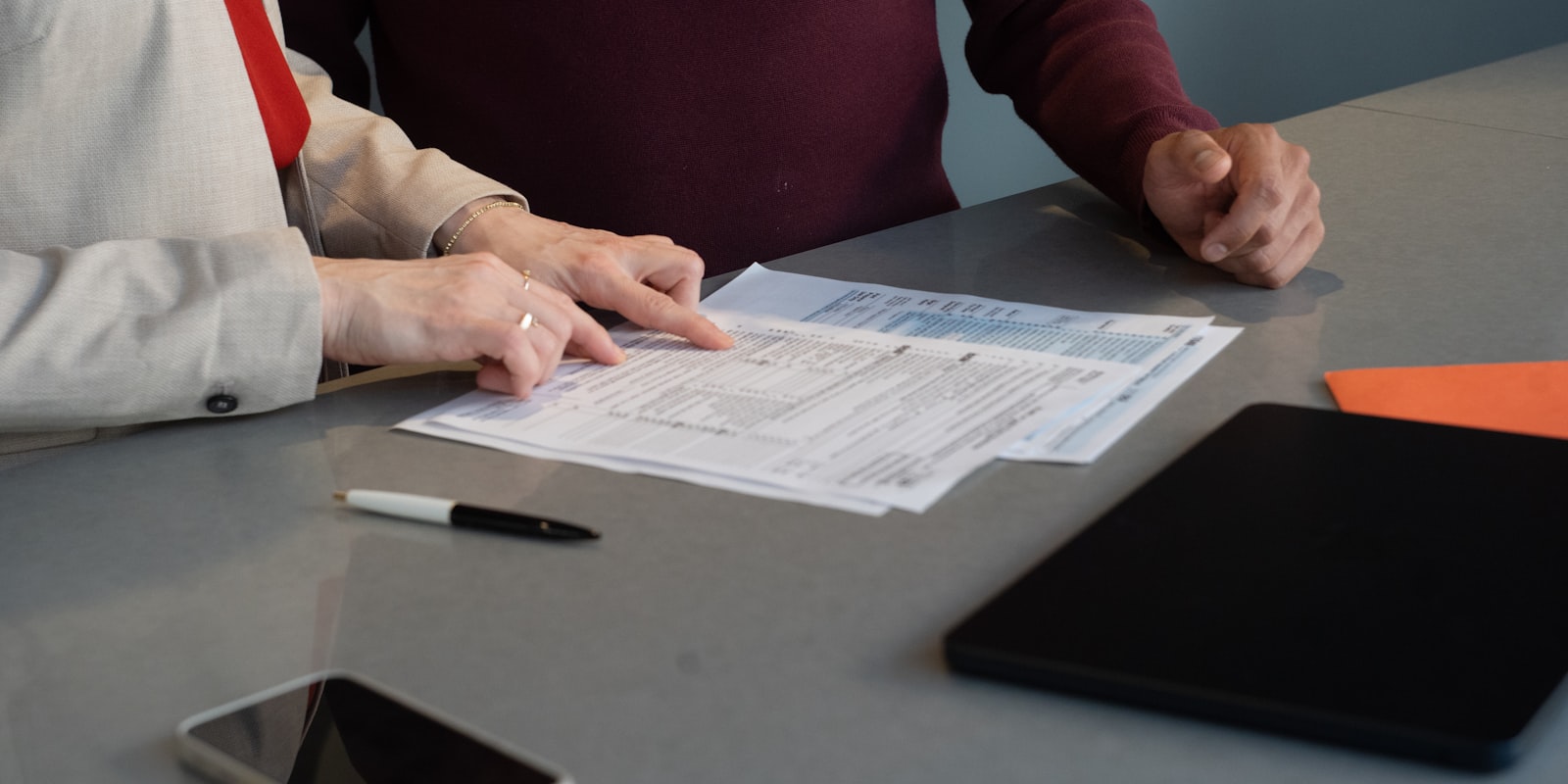
Templates for wills, gift deeds and other documents used to transfer property and regulate inheritance.
Template for a handwritten will: a legal document in which you specify how your assets are to be handled after your death. It must be written and signed by hand. It clearly specifies who inherits the assets and under what conditions.
Model of a notarised will: a more formal type of will drawn up by a notary. The content is agreed with the testator and legal correctness is ensured. A notarised will is safer and better protected.
Sample gift agreement: a legal document by which you transfer property (real estate, money, items) to a specific person during your lifetime. A gift agreement is safer than a power of attorney and clearly defines what is being gifted.
Sample donation agreement specifically for real estate (flat, house, land). Must be drawn up by a notary and contain a detailed description of the property. Change of ownership is registered in the Land Registry.
Template for an application to initiate inheritance proceedings: a document used to submit a request to the court to commence inheritance proceedings. It is completed when you wish to formally process an estate and distribute the deceased's assets.
Sample inheritance agreement: a document by which heirs agree on the division of assets without court proceedings. It must be signed by all heirs and can significantly speed up and simplify the inheritance process.
Template for a pre-emptive inheritance document: a document used to transfer assets before death. Intended for assets transferred to a specific heir while the testator is still alive. Suitable for the gradual transfer of a business or real estate.
Sample certificate of legal capacity: a document required for inheritance proceedings. It confirms that the person is capable of holding rights and obligations. It is issued with a medical assessment if there were doubts about the deceased's mental health.
A will is a legal document by which a person determines how their estate shall be handled after their death. It must be handwritten, signed and is legally binding. Without a will, the inheritance is divided according to the law.
Inheritance rights are determined by law. Typically, assets are divided among the spouse, children and parents. Each heir is entitled to a specific share. A will may alter these rights but must not infringe upon the "statutory heirs" (spouse, children, parents).
A gift agreement is a way to transfer property while still alive. It is a safer and clearer form than a power of attorney. Gift agreements are often used for transferring real estate and are legally binding.
Probate is the process that follows a person's death and involves identifying assets, determining heirs, and distributing the estate. It is overseen by a court or a notary. It usually lasts several months to years depending on complexity.